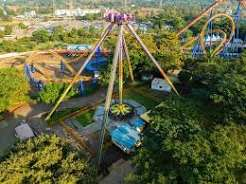

Amusement parks are no longer seen as places where visitors spend only two or three hours on rides. Families, student groups, and office teams now expect a complete outing with food, water attractions, thrill rides, children’s areas, photo spots, rest zones, and easy ticketing. This is why searches around the best water parks and amusement destinations often overlap, especially during summer weekends.
The shift is clear: visitors no longer want a small ride zone. They want a full-day plan that feels worth the ticket price, travel time, and effort.
Reason 1. Amusement Parks Now Combine Dry and Water Attractions
One of the biggest changes in amusement park design is the combination of dry rides and water-based attractions. Earlier, visitors had to choose between an amusement park and a water park. Modern destinations often bring both together.
This matters because different people enjoy different activities. Some visitors love roller coasters and thrill rides. Others prefer pools, slides, or rain dance areas. Children may want gentle rides, while teenagers may look for speed and energy.
Fun World Bangalore is one example of this combined model. Its official entry page states that one ticket gives full-day access to both amusement and water park areas at Palace Grounds, covering rides, pools, and attractions.
This type of model helps parks hold visitors for longer because the experience does not feel repetitive.
Reason 2. Visitors Expect a Full Itinerary Inside the Park
A full-day entertainment destination needs more than rides. It needs a natural flow. Visitors should be able to arrive, explore, take breaks, eat, change clothes, rest, resume activities, and stay until evening without feeling bored or uncomfortable.
This is why operating hours matter. Wonderla Bengaluru, for example, lists weekday hours from 11 AM to 6 PM and weekend hours from 11 AM to 7 PM, giving visitors enough time to plan a full outing.
Longer usable hours make a difference for families and groups. People do not want to rush through rides after paying for entry. They want the visit to feel like a complete day.
Reason 3. Food, Rest, and Facilities Are Now Part of the Experience
The quality of an amusement park is no longer judged only by the biggest ride. Visitors also care about food counters, washrooms, seating, lockers, changing rooms, drinking water, shaded spaces, and crowd control.
For families, these details matter even more. A child may need rest after water play. Parents may need a clean changing area. Groups may need a clear meeting point. Older visitors may need seating between activities.
Modern amusement parks are evolving because they understand that comfort increases stay time. If visitors can rest and recharge inside the park, they are more likely to spend the whole day there.
Reason 4. Parks Are Becoming Easier to Plan Online
Earlier, many families visited amusement parks with limited information. Today, visitors expect to check timings, tickets, rules, offers, group options, and ride details online before leaving home.
This helps reduce uncertainty. Parents can plan clothing, arrival time, lunch, return travel, and children’s expectations in advance. Groups can compare ticket categories and decide whether the outing fits their budget.
Online planning also supports last-minute weekend decisions. If a family does not want to travel far, an amusement park with clear online information becomes an easy choice.
Reason 5. The Experience Now Appeals to More Than Children
Amusement parks were once seen mainly as children’s destinations. That has changed. Today, they attract teenagers, college students, corporate teams, couples, birthday groups, and extended families.
The reason is activity variety. Thrill rides attract young adults. Water attractions attract summer crowds. Children’s zones bring families. Food and photo areas make the outing more social. Group packages and event planning make the park useful for office teams and schools.
This broader audience is one reason the amusement and theme park sector continues to grow. Fortune Business Insights valued the global theme park market at USD 60.75 billion in 2025 and projected it to reach USD 66.25 billion in 2026.
Reason 6. Photo-Friendly Spaces Are Driving Longer Visits
Social media has changed how people experience amusement parks. Visitors are not only going for rides. They are also capturing reels, group photos, birthday memories, and family moments.
This means parks need more than functional ride areas. They need bright entry zones, themed corners, food spaces, water backdrops, and clean areas where people feel comfortable taking photos.
Photo-friendly spaces also help parks attract new visitors. One family’s weekend photos can influence another family’s plan. One group reel can create interest among students or colleagues.
Reason 7. Amusement Parks Are Replacing Multiple Weekend Stops
A typical family weekend can involve a restaurant, mall, play zone, café, and maybe a short drive. Amusement parks reduce the need for all those separate stops.
Visitors get activity, food, photos, group time, and relaxation in one place. This is especially useful in cities where traffic makes multi-stop plans tiring.
Bengaluru is a clear example of why this matters. TomTom’s 2025 Traffic Index recorded the city’s average congestion level at 74.4%, with a 10 km drive taking about 36 minutes on average. In such cities, a one-campus entertainment destination can feel more practical than moving across town for different activities.
Reason 8. Full-Day Parks Offer Better Value Per Visit
When visitors pay for an amusement park, they want enough variety to justify the cost. A park that offers only a few rides may feel expensive. A park with rides, water attractions, food areas, children’s zones, and long operating hours feels more valuable.
This is why parks are expanding the full-day model. The longer people stay, the more the ticket feels worthwhile. Families are more likely to return when children feel they did “a lot” in one visit.
Value is not only about price. It is about time used well.
Conclusion
Amusement parks are evolving because visitors expect more from weekend entertainment. They want ride variety, water attractions, food, comfort, safety, photos, online planning, and enough activities to fill the day.
The strongest parks are no longer simple ride collections. They are full-day destinations built for families, groups, students, and urban travellers who want a complete break without planning a long trip. As city life gets busier, amusement parks that offer convenience and variety will continue to shape how people spend weekends and holidays.
FAQs
1. Why are amusement parks becoming full-day destinations?
Amusement parks are becoming full-day destinations because visitors expect more than a few rides. They want water attractions, food, rest areas, children’s zones, photo spots, lockers, and enough variety to spend several hours comfortably.
2. What should a full-day amusement park include?
A full-day amusement park should include thrill rides, family rides, children’s attractions, water-based activities, food options, washrooms, changing rooms, lockers, shaded areas, and clear safety rules.
3. Are amusement parks suitable for group outings?
Yes. Amusement parks work well for school trips, college groups, office teams, birthdays, and family gatherings because they offer shared activities and enough space for different preferences.
4. How are amusement parks different today compared with older parks?
Modern amusement parks focus on the complete visitor experience. They combine rides with water attractions, online ticketing, better facilities, food zones, safety systems, and social-media-friendly spaces.
5. Why do families prefer amusement parks for weekends?
Families prefer amusement parks because they are easier to plan than long trips. Children get active entertainment, adults get a break from routine, and the entire outing happens in one controlled location.