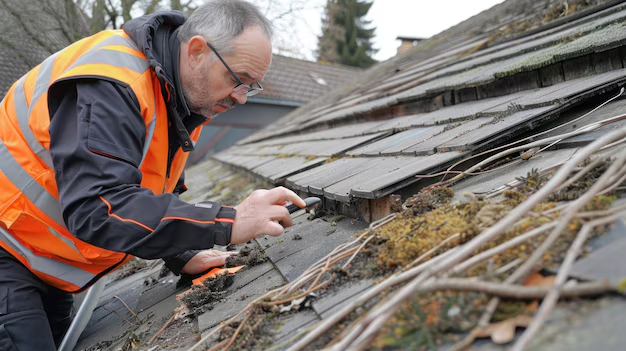

A damaged roof can turn a manageable building problem into a serious property emergency within hours. A fallen tree branch can puncture roofing materials, heavy rain can push water through an existing weakness, and strong winds can tear away sections of a roof. In these situations, emergency roofing services can help limit exposure, protect the building interior, and address urgent damage before it spreads.
Roof failures rarely happen at a convenient time. They may occur overnight, during a storm, or just before a business opens for the day. Quick action helps reduce the potential for water damage and gives property owners a safer path toward permanent repairs.
What Counts as a Roofing Emergency?
Not every roof problem requires immediate service, but some situations should not wait for a routine appointment. A large active leak, major storm damage, structural damage, or a section of roofing that has become detached can create an immediate risk.
Signs of a serious roofing problem include:
- Water entering through the ceiling or upper walls
- Large areas of missing or lifted shingles
- Visible holes or openings in the roof
- Sagging sections of the roof structure
- Damage caused by falling trees or branches
- Exposed roofing underlayment or decking
- Water collecting inside the building after rainfall
- Roof debris scattered across the property
A small ceiling stain may appear harmless, but moisture can travel well beyond the visible area. Waiting can allow water to reach insulation, drywall, flooring, wiring, equipment, or stored inventory.
The First Response Can Limit Damage
The period immediately after roof damage occurs is often critical. Property owners should avoid climbing onto a damaged roof, especially during wet or windy conditions. Roof surfaces can become unstable, and hidden structural damage may not be visible from ground level.
Inside the building, move furniture, equipment, documents, and other valuables away from affected areas where possible. Containers can be placed beneath active drips to collect water, while larger areas may require temporary protection.
Photographs and videos of the damage can also be useful for property records and insurance documentation. Images should be taken from safe locations rather than by attempting to inspect dangerous roof sections.
Professional crews can then assess the exterior, identify the source of the failure, and determine what must be secured immediately.
Temporary Protection Matters
A permanent repair may not always be possible during the first visit. Weather, structural conditions, material availability, or the extent of the damage can affect the repair process. Temporary measures can prevent additional exposure while a full repair is arranged.
Roof tarping is one common emergency measure. A properly installed tarp can cover an opening and reduce water intrusion until damaged roofing materials can be repaired or replaced. Other temporary work may include securing loose materials, covering exposed sections, removing dangerous debris, or addressing areas where water is entering the building.
These measures are not substitutes for permanent repairs. They are intended to stabilize the situation and reduce the chance of further property damage.
Storm Damage Requires a Careful Inspection
Severe weather can create roof problems that are difficult to spot from the ground. High winds may loosen shingles without removing them completely. Hail can leave small impact points that later develop into leaks. Heavy rain can reveal weaknesses around flashing, vents, skylights, and roof penetrations.
A proper inspection should consider both visible and concealed damage. The condition of the roof surface, drainage systems, flashing, penetrations, decking, and surrounding areas may all affect the building’s ability to remain weather-resistant.
For commercial properties, the inspection may also need to account for equipment and operations located beneath the damaged section. A roof problem above an office, warehouse, retail space, or mechanical area can have consequences beyond the roofing system itself.
Emergency Roofing Services for Commercial Properties
Commercial roof failures can interfere with business operations as well as damage the structure. A leak over inventory can destroy products. Water near electrical equipment can create additional hazards. Damage above a customer-facing area can force part of a facility to close until the area is made safe.
That makes response time particularly valuable for facility managers and property owners. The objective is not simply to cover a hole. The immediate priority is to secure the affected area, reduce water intrusion, protect occupants and property, and establish a plan for permanent restoration.
Facility Network helps property owners and facility managers address urgent building maintenance needs, including situations where roofing damage requires prompt attention. Coordinating emergency work through an established facilities service provider can also make it easier to manage related building concerns that arise after severe weather.
How to Prepare Before a Roof Emergency
Roof emergencies cannot always be prevented, but preparation can make the response much easier. Property owners should keep basic information about the building’s roof, previous repairs, drainage system, and maintenance history in an accessible location.
Regular inspections can also identify warning signs before they develop into major failures. Cracked flashing, deteriorating roofing materials, blocked drainage points, loose components, and recurring leaks deserve attention rather than being treated as minor inconveniences.
A simple emergency plan should identify who is responsible for reporting building damage, who can authorize urgent work, and where important property and insurance records are stored.
For businesses, it can also help to know which areas contain sensitive equipment, valuable inventory, documents, or electrical systems. This information allows staff to prioritize protection if water begins entering the building.
Why Fast Roof Response Protects More Than the Roof
The roof is the first barrier between a building’s interior and the weather. Once that barrier fails, damage can spread quickly. Moisture may soak insulation and drywall, stain ceilings, damage flooring, or create conditions that require additional restoration work.
Fast intervention can also reduce disruption. A secured roof gives occupants a safer environment and may allow unaffected portions of a property to remain operational while repairs continue.
Emergency roofing work should therefore be viewed as part of broader property protection. The immediate response helps stabilize the building, while a later inspection and permanent repair address the underlying cause.
Keep Roof Emergencies From Becoming Larger Problems
A damaged roof demands more than a quick patch and a wait-and-see attitude. The safest response starts with keeping people away from dangerous areas, protecting interior belongings, documenting visible damage, and arranging a professional assessment as soon as possible.
Weather conditions, structural concerns, and the extent of the failure all influence the right repair method. Prompt attention can help stop a roof opening from becoming extensive interior damage and can give property owners a clearer path toward restoration.
For urgent property maintenance needs, Facility Network can help coordinate the appropriate response and keep the focus on protecting the building. Contact us today to discuss emergency roofing support for your property.