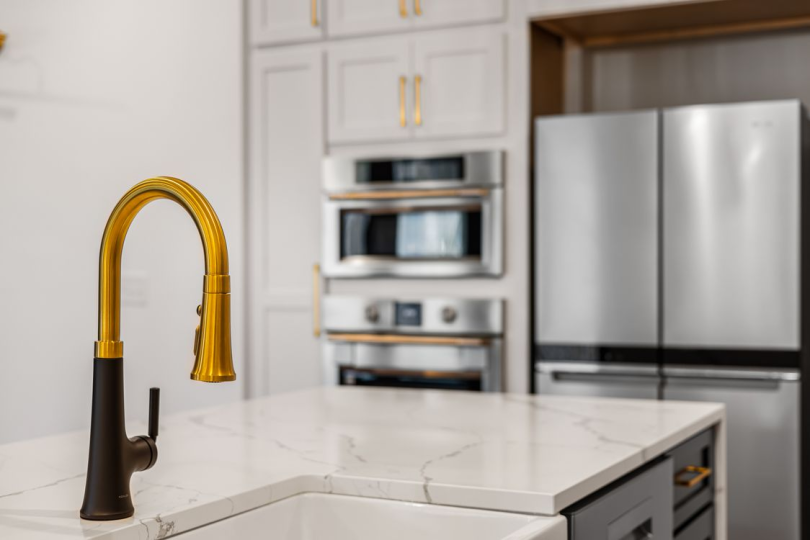

The kitchen is often considered the heart of the home. It is where meals are prepared, conversations take place, and family members gather throughout the day. As lifestyles evolve, many homeowners find that their existing kitchens no longer support their needs as effectively as they once did. Whether the concern is limited storage, an inefficient layout, outdated finishes, or a lack of functionality, creating a dream kitchen begins with thoughtful planning.
A successful kitchen design balances appearance with practicality. Rather than focusing solely on trends, homeowners can benefit from considering how they use the space daily and what improvements would make the greatest difference. By carefully evaluating layout, storage, materials, lighting, and personal style, it is possible to create a kitchen that feels both inviting and highly functional.
Start with a Functional Layout
Before selecting cabinets, countertops, or decorative details, it is important to evaluate the kitchen’s layout. The arrangement of key work areas significantly influences how efficiently the space operates.
Many designers emphasize the relationship between the sink, refrigerator, and cooking surface. Keeping these areas accessible can help minimize unnecessary movement during meal preparation. Traffic patterns should also be considered, especially in households where multiple people use the kitchen simultaneously.
A functional layout should reflect the needs of the household. Some families prioritize open sightlines to adjacent living areas, while others may prefer designated work zones for cooking, baking, or food preparation. Understanding how the space is used allows homeowners to make informed decisions that improve the kitchen’s overall performance.
Careful planning at this stage can prevent costly adjustments later and ensure that every square foot contributes to a more efficient environment.
Prioritize Storage Solutions
Storage plays a major role in determining whether a kitchen feels organized or cluttered. Even spacious kitchens can become difficult to manage if storage is poorly designed or insufficient for household needs.
Instead of focusing solely on the amount of cabinetry, it can be useful to think about how storage will be used. Deep drawers for cookware, pull-out shelving, pantry systems, and dedicated spaces for small appliances can help improve accessibility and organization.
Many homeowners researching a kitchen remodel in Indianapolis discover that storage upgrades often provide some of the most noticeable day-to-day benefits. Improving storage capacity helps keep countertops clear and makes routine tasks easier to accomplish.
Customizing storage based on lifestyle can also increase efficiency. A family that cooks frequently may require different solutions than a household that primarily uses the kitchen for quick meals and entertaining. Thoughtful storage planning supports both convenience and long-term usability.
Choose Durable and Timeless Materials
Material selection has a lasting impact on both appearance and maintenance requirements. Because kitchen surfaces experience daily wear, durability should be considered alongside aesthetics.
Countertops, flooring, cabinetry, and backsplashes are major visual elements that contribute to the room’s overall character. While trends may influence design choices, selecting materials with long-term appeal can help the kitchen remain relevant and attractive for years to come.
Natural materials, engineered surfaces, ceramic tile, and quality wood products all offer distinct advantages depending on the homeowner’s goals. Durability, maintenance requirements, and compatibility with the overall design should be evaluated carefully before making final decisions.
A balanced approach often works best. Combining attractive finishes with practical materials allows homeowners to create a space that looks appealing while standing up to everyday use.
Create Layers of Lighting
Lighting is frequently overlooked during kitchen planning, yet it can significantly affect both functionality and atmosphere. A well-lit kitchen supports cooking, cleaning, dining, and social interaction while helping the space feel welcoming.
Relying on a single overhead fixture often results in uneven illumination. Instead, layered lighting can provide flexibility and improve visibility throughout the room. Ambient lighting establishes overall brightness, task lighting supports specific activities, and accent lighting highlights design features.
Under-cabinet lighting, pendant fixtures, and strategically placed recessed lights can contribute to a balanced lighting plan. Natural light should also be maximized whenever possible through thoughtful window placement and treatments.
Effective lighting helps showcase materials, improve safety, and create an environment that feels comfortable throughout the day and evening.
Reflect Your Personal Style
A dream kitchen should ultimately feel connected to the people who use it. While functionality remains essential, personal style helps make the space unique and enjoyable.
Color palettes, hardware selections, cabinetry profiles, and decorative details all contribute to the kitchen’s identity. Some homeowners prefer a clean and contemporary look, while others are drawn to traditional, transitional, or rustic aesthetics.
Consistency is often the key to a cohesive design. Rather than incorporating too many competing elements, selecting a clear design direction can help create visual harmony throughout the space.
Personal touches such as artwork, open shelving displays, meaningful decorative objects, or carefully chosen finishes can add character without overwhelming the room. When these details align with practical needs, the result is a kitchen that feels both beautiful and functional.
Conclusion
Creating the kitchen of your dreams involves more than choosing attractive finishes. It requires thoughtful planning, careful evaluation of daily needs, and a commitment to balancing style with functionality. By focusing on layout, storage, durable materials, lighting, and personal design preferences, homeowners can develop a space that better supports everyday living.
A well-designed kitchen enhances comfort, improves efficiency, and creates a welcoming environment for years to come. With clear vision and thoughtful decisions, transforming an ordinary kitchen into a dream space becomes an achievable goal.