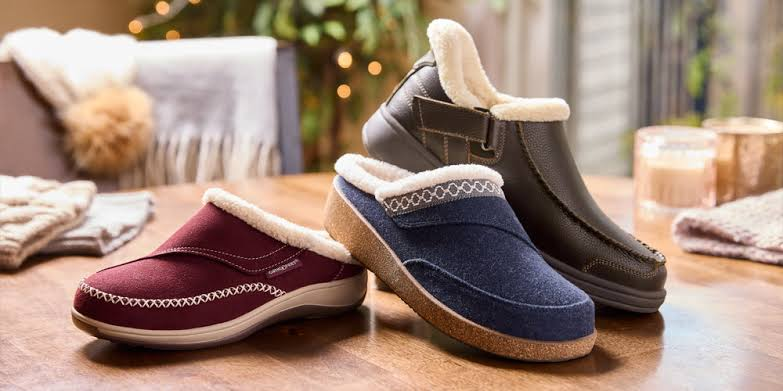

Foot pain is an increasingly common complaint that disrupts daily life, making even simple tasks around the house feel like an exhausting chore. Whether you suffer from plantar fasciitis, flat feet, or general fatigue, the root cause of your discomfort might be hiding right beneath your feet. Many people drastically underestimate the sheer impact of walking barefoot on hard surfaces like tile, hardwood, or laminate flooring. Without proper cushioning, your heels and arches absorb the full shock of your body weight with every single step you take. Over time, this repetitive stress inflames essential ligaments, misaligns your natural posture, and significantly aggravates existing joint issues, turning your home into a painful environment instead of a relaxing sanctuary.
Fortunately, mitigating this daily physical stress does not require drastic lifestyle changes or expensive medical interventions. The most effective, immediate solution is simply investing in high-quality, ergonomically designed home footwear that provides the structural support your feet desperately crave. By transitioning from walking barefoot or wearing flimsy socks to using highly structured indoor slippers, you instantly create a crucial barrier of shock absorption between your sensitive soles and unforgiving floors.
Supportive footwear actively contours to your natural foot shape, redistributes your body weight evenly across the footbed, and drastically reduces the micro-traumas your feet endure daily. Choosing the right pair completely transforms your recovery process, allowing inflamed tissues to heal properly while providing unparalleled warmth and comfort throughout your entire living space.
The Impact of Hard Floors on Your Foot Health
Walking barefoot on rigid surfaces might feel liberating at first, but it is fundamentally detrimental to your long-term biomechanical health. Human feet evolved over millennia to walk on softer, forgiving terrains like soil, sand, and grass, which naturally absorb kinetic energy. In stark contrast, modern home flooring offers absolutely zero shock absorption. When your heel strikes a hardwood or tile floor, the aggressive impact reverberates straight up through your ankles, knees, and lower back.
According to data from the American Podiatric Medical Association (APMA), continuous walking barefoot on hard indoor surfaces is a leading contributor to severe heel pain and plantar fasciitis among adults. To counteract this scientifically proven stress, orthopedic experts strongly recommend wearing supportive footwear inside the house to provide the missing cushioning, stabilize your walking gait, and proactively prevent chronic musculoskeletal conditions from developing.
Key Features of Pain-Relieving Footwear
When shopping for therapeutic home footwear, you must prioritize anatomical engineering over simple aesthetics to ensure genuine pain relief. The absolute most critical feature is robust arch support, which actively prevents your feet from overpronating and keeps your entire body in proper biomechanical alignment. Next, look for a deep, contoured heel cup; this specific design element cradles the heel bone, concentrates the natural fatty pad beneath it, and efficiently absorbs the shock of walking.
Additionally, the midsole should feature dense memory foam or EVA (ethylene-vinyl acetate) to provide a customized, adaptive fit that does not flatten out permanently after just a few weeks of daily use. Finally, an anti-slip rubber outsole is absolutely non-negotiable. A sturdy, textured bottom ensures complete stability on slippery domestic surfaces, preventing accidental falls while offering enough structural rigidity to protect your midfoot from flexing unnaturally during your normal stride.
Final Thoughts
Taking proactive steps to address foot pain can dramatically improve your overall quality of life and daily mobility. You absolutely do not have to accept achy, tired feet as a mandatory part of your evening routine. By fully understanding the severe toll that hard floors take on your body and making an informed choice about your daily footwear, you can actively promote healing and lasting comfort.
Prioritize pairs that offer genuine orthopedic benefits—like firm arch support, deep heel cupping, and highly durable outsoles—rather than settling for flat, unsupportive alternatives. Always remember that your feet act as the foundational support for your entire body; when they are properly cushioned and aligned, your knees, hips, and back will also reap the immediate rewards. Invest wisely in your daily comfort, and you will quickly notice a remarkable difference in how you feel everyday.
Frequently Asked Questions (FAQs)
1. Can wearing slippers really help with plantar fasciitis?
Yes. Orthopedic home footwear with strong arch support and heel cushioning reduces the daily strain on your plantar fascia, alleviating morning pain and helping the inflamed tissue heal faster than walking barefoot.
2. Is memory foam good for foot pain?
Memory foam is excellent for pressure relief as it contours directly to your specific foot shape. However, for severe pain, it should be paired with a firm EVA midsole to ensure it doesn’t compress completely flat over time.
3. Should I wear indoor footwear all day?
If you spend long hours standing or walking on hard floors at home, wearing supportive footwear continuously is highly recommended to prevent arch fatigue and minimize joint impact.
4. How often should I replace my home footwear?
You should replace them every 6 to 12 months, depending on your frequency of use. Once the internal cushioning compresses and loses its rebound, they no longer provide adequate, healthy support.
5. Do flat feet require a specific type of support?
Yes, individuals with flat feet absolutely need footwear with structured arch support to prevent overpronation and a deep heel cup to stabilize the foot, ensuring proper alignment with the rest of the leg.