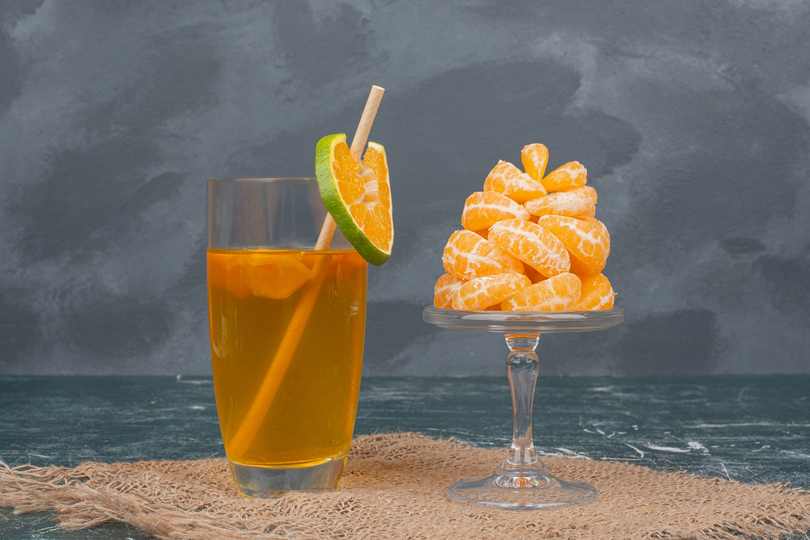

Mango and tangerine bring two very different fruit personalities into the same glass. Mango offers a naturally sweet, smooth tropical character, while tangerine contributes a lively citrus note with a clean, bright finish. A tropical mango drink built around these flavors can feel refreshing without becoming overly complicated. Hokum Mango Tangerine combines juicy mango sweetness with bright tangerine citrus, creating a fruit-forward option for people who enjoy tropical flavors in a ready-to-drink format.
The pairing works because the two fruits balance each other naturally. Mango has a fuller, softer taste that can linger on the palate. Tangerine cuts through that sweetness with its sharper citrus character. The result is a combination that feels colorful and lively rather than heavy.
Mango is also remarkably versatile. It appears in smoothies, juices, desserts, sauces, fruit bowls, and countless beverage recipes. Tangerine offers similar flexibility, working well with berries, tropical fruits, herbs, and sparkling water. Bringing these fruits together creates plenty of opportunities for simple drinks as well as more creative servings.
A ready-to-drink fruit beverage can also fit easily into different parts of the day. It can be chilled for a quick afternoon refreshment, served alongside a meal, or poured over ice for a more polished presentation. The flavor itself does much of the work, so additional ingredients can remain simple.
The appeal extends to gatherings as well. Non alcoholic drinks can offer guests a flavorful alternative without requiring complicated preparation. Mango and tangerine provide enough natural character to make a beverage feel complete, while simple additions such as ice, fresh fruit, mint, or sparkling water can create a different presentation.
Mango Creates a Smooth Tropical Foundation
Mango is one of the most recognizable tropical fruits.
Its flavor is naturally sweet, fragrant, and full-bodied. Unlike sharper fruits such as lemon or green apple, mango tends to create a softer sensation on the palate.
That quality makes mango a useful foundation for beverages.
The fruit can be enjoyed on its own, but it also pairs well with ingredients that provide acidity. Citrus is one of the most effective choices because it gives mango more definition.
Tangerine fills that role in the Mango Tangerine combination.
The citrus fruit brings brightness to the sweeter tropical base, creating contrast between the first sip and the finish. Instead of allowing mango to dominate the drink, tangerine keeps the overall flavor lively.
The result is familiar but not ordinary.
Mango lovers can recognize the tropical character immediately, while the citrus notes add another dimension.
This balance is especially useful in chilled beverages. Cold temperatures can emphasize the refreshing qualities of citrus while allowing mango’s softer flavor to remain noticeable.
Tangerine Brings a Fresh Citrus Edge
Tangerine has a sweeter and softer citrus profile than some other familiar citrus fruits.
It carries the recognizable brightness of orange while offering its own aromatic character. That makes it a natural companion for tropical fruit.
Mango provides sweetness.
Tangerine provides brightness.
Together, they create a flavor combination that can work in a variety of settings.
The citrus component also helps make the beverage feel lighter. Mango’s richness can sometimes make a drink seem substantial, while tangerine provides the contrast needed to keep each sip refreshing.
The combination can be served chilled straight from the can or poured over ice.
For a more decorative presentation, a fresh tangerine wedge or mango slice can be added to the glass. A small amount of sparkling water can also provide additional texture.
People interested in comparing fruit-forward options can explore the shop and look at other combinations that offer berry, apple, citrus, or tropical profiles.
Why Two Fruits Can Create a Better Drinking Experience
Fruit blends are often more interesting because different flavors can occupy different parts of the palate.
A single fruit can be delicious, but two complementary fruits can create greater contrast.
Mango gives the beverage its soft tropical foundation. Tangerine adds a crisp citrus accent.
That contrast helps keep the flavor from feeling flat.
The same principle appears in many familiar food combinations. Sweet and tart flavors often work together because each one balances the other.
Strawberry and lemon are a classic example. Raspberry and blackberry create another type of balance. Mango and tangerine follow the same basic idea but move the flavor profile toward the tropical-citrus side.
The combination is also versatile enough for different serving styles.
A chilled can is the simplest option.
A glass with ice creates a more traditional refreshment.
Sparkling water can make the drink lighter.
Fresh fruit can emphasize the existing flavors.
Mint can provide a cool herbal contrast.
None of these additions needs to be complicated.
Building a Fruit Drink Around Everyday Preferences
People choose beverages for many different reasons.
Flavor usually comes first. A person may prefer berries, citrus, tropical fruit, crisp apple, or a combination of several categories.
Ingredient preferences can also influence the decision.
Some consumers pay attention to caffeine levels. Others focus on added sugar or prefer beverages that include functional ingredients.
Hokum’s beverage lineup gives shoppers several flavor directions to consider. Mango Tangerine sits within the tropical and citrus category, while other flavors provide berry, apple, and additional fruit combinations.
This variety can make beverage selection more personal.
Someone who enjoys sweet tropical flavors may naturally gravitate toward mango. A person who prefers sharper citrus notes may appreciate the tangerine component.
The blend offers both.
It also avoids the need to choose between a purely tropical beverage and a purely citrus beverage.
Simple Ways to Serve Mango and Tangerine
A good fruit beverage does not need an elaborate recipe.
The easiest serving method is to chill the can and enjoy it as it is.
For a more refreshing presentation, pour the beverage over a full glass of ice. The cold temperature can make the citrus notes feel particularly crisp.
A tangerine wedge adds a fresh citrus aroma.
A mango slice can reinforce the tropical side.
For additional texture, sparkling water can be added in a small amount. This creates a lighter, bubbly variation while allowing the original fruit profile to remain noticeable.
Mint is another simple option.
A few leaves can add a cooling aroma without competing with mango and tangerine.
People who enjoy experimenting can also combine the beverage with other fruits. Pineapple, strawberries, raspberries, or passionfruit can introduce additional layers.
The key is moderation.
The Mango Tangerine combination already has a defined flavor, so too many additions can make the drink confusing rather than interesting.
The Appeal of Caffeine-Free Fruit Beverages
Fruit flavor does not need to depend on caffeine.
Many familiar energy-style beverages rely heavily on caffeine, but some consumers prefer to avoid it or limit how much they consume during the day.
A caffeine-free fruit beverage provides another choice.
Mango Tangerine has a flavor identity that stands independently of caffeine. The tropical and citrus combination gives it enough character to work as a refreshing beverage without requiring a stimulant-based profile.
This can make it useful during an afternoon break, alongside lunch, during travel, or at social events.
People who already enjoy coffee or tea may also appreciate having another beverage option later in the day.
The choice does not have to be complicated.
Sometimes a cold fruit beverage is simply appealing because it tastes good.
Mango and Tangerine Pair Well With Food
The combination can also work alongside meals.
Mango’s sweetness can complement spicy or savory foods, while tangerine’s citrus notes provide contrast.
A chilled Mango Tangerine beverage can work with salads, sandwiches, wraps, grilled foods, rice bowls, and lighter meals.
The tropical profile can also fit naturally with summer-style dishes.
For breakfast, mango and citrus flavors can complement yogurt, oatmeal, fruit bowls, toast, or pastries.
At a gathering, the beverage can be served alongside appetizers or finger foods.
The citrus component helps prevent the tropical sweetness from becoming too dominant, making the pairing more versatile.
Food pairing does not require strict rules.
Personal preference remains the best guide. If a flavor combination tastes good together, there is usually no reason to overcomplicate the decision.
The Role of Flavor in Functional Beverages
Functional beverages are often discussed primarily through their ingredients, but flavor remains a major part of the experience.
A drink can contain interesting ingredients, but consumers still need to enjoy drinking it.
That is where a familiar fruit pairing can make a difference.
Mango and tangerine are recognizable flavors. Most people already have an idea of what each fruit tastes like, so the combination does not require much explanation.
The tropical sweetness creates an inviting foundation, while the citrus element keeps the finish bright.
For Drink Hokum, the flavor profile provides a clear identity within a broader functional beverage lineup.
The brand’s approach combines fruit-focused flavor concepts with functional beverage positioning, giving consumers different reasons to explore the products.
The experience begins with taste, but the overall formulation can influence which beverage becomes part of someone’s regular rotation.
Choosing Between Tropical and Berry Profiles
A beverage lineup with multiple flavors allows consumers to choose according to mood and taste.
Berry flavors often feel deeper and more tart.
Green apple tends to be crisp and sharp.
Strawberry and lemon combine sweetness with citrus acidity.
Passionfruit, orange, and guava move toward a vivid tropical direction.
Mango Tangerine sits between tropical sweetness and bright citrus.
This distinction can make it easier to choose a beverage for a particular occasion.
A berry drink may work well with breakfast or dessert. A citrus-forward drink may feel especially refreshing with lunch. A tropical blend can be a natural choice for a summer gathering.
There is no requirement to stick with one flavor.
Trying several profiles can help identify preferences that are not obvious at first.
A Ready-to-Drink Option for Busy Days
Convenience is one of the simplest advantages of a packaged beverage.
There is no need to cut fruit, blend ingredients, measure juice, or prepare a syrup before enjoying a chilled drink.
A ready-to-drink option can be stored in the refrigerator and opened whenever the occasion calls for it.
Mango Tangerine can work in that setting because its flavor is already balanced.
For a quick break, it can be enjoyed directly from the can.
For lunch, it can be poured into a glass.
For a gathering, several cans can be chilled ahead of time and served over ice.
For a mocktail-style drink, the beverage can be combined with sparkling water and fresh fruit.
The same product can therefore serve different purposes without requiring a different preparation process.
Making a Tropical Beverage More Social
A flavorful drink can become part of a gathering without alcohol being involved.
Mango and tangerine are particularly well suited to social occasions because their flavor feels bright and festive.
A simple serving station can include chilled cans, glasses filled with ice, fresh tangerine wedges, mango slices, and sparkling water.
Guests can prepare their preferred version.
Some may enjoy the beverage straight.
Others may add carbonation.
Someone else may prefer extra fruit or mint.
This gives everyone control without requiring a complicated recipe.
The approach works for backyard gatherings, casual dinners, family celebrations, brunches, or relaxed evenings with friends.
The tropical flavor also works well with warm-weather themes, although it does not need to be restricted to summer.
What to Consider When Selecting a Fruit Beverage
Flavor is only one factor to consider when choosing a packaged drink.
Consumers may also review the ingredient list, serving size, caffeine content, added sugar, and other product details.
People with allergies or dietary restrictions should pay particular attention to the current label and product information.
The serving format can also matter.
A four-pack of individual cans may be convenient for home refrigeration, travel, or sharing.
Flavor variety can be another consideration.
Someone may want several different fruit profiles available rather than buying a large quantity of one flavor.
Hokum’s lineup provides options across tropical, citrus, berry, and crisp fruit categories, allowing shoppers to build a selection around personal taste.
The process can remain simple.
Start with flavors already enjoyed, check the product details, and choose the beverage that fits the occasion.
Turning Mango Tangerine Into a Mocktail
Mango and tangerine already provide a strong base for a simple mocktail.
Fill a glass with ice and pour in the chilled beverage.
Add a small amount of sparkling water if a lighter texture is preferred.
Garnish with a tangerine wedge and a small slice of mango.
For a herbal variation, add a few mint leaves.
For more tropical depth, a small amount of pineapple or passionfruit can be introduced.
The goal is to maintain balance.
Mango should remain recognizable.
Tangerine should continue to provide the citrus brightness.
Additional ingredients should simply support those flavors.
This makes the drink easy to prepare for one person or scale up for a small gathering.
No complicated equipment is necessary.
Why Citrus Helps Tropical Flavors Stand Out
Tropical fruits often have strong sweetness and aroma.
Citrus can make those characteristics more noticeable by adding acidity.
Tangerine plays that role particularly well because its flavor is bright without being as sharp as lemon.
The result is a smoother contrast.
Mango remains the primary tropical note, while tangerine gives the beverage a clean finish.
This balance can make the drink feel refreshing without losing the richness associated with mango.
It also explains why tropical and citrus fruits appear together so frequently in beverages.
The combination is flexible, familiar, and easy to enjoy.
Exploring More Fruit Combinations
Once someone develops an appreciation for mango and tangerine, other fruit blends become easier to explore.
Passionfruit and guava can take the flavor in a more aromatic tropical direction.
Strawberry and lemon can create a berry-citrus combination.
Blackberry and raspberry can provide a deeper berry experience.
Green apple can offer something crisp and tart.
Exploring different flavors can make beverage choices more interesting without requiring a completely different category of drink.
The goal is variety.
A refrigerator can include several options, allowing the flavor to match the occasion.
Mango Tangerine may be the choice for a sunny afternoon. Blackberry Raspberry may suit someone craving a richer berry profile. Strawberry Lemon can provide a familiar sweet-tart combination.
Different flavors create different experiences.
Finding a Beverage That Fits Your Routine
A beverage does not need to be reserved for a special occasion.
Mango Tangerine can fit naturally into ordinary routines.
It can be enjoyed during a work break, alongside a meal, after a walk, while traveling, or at a casual gathering.
The tropical-citrus profile gives it enough personality to feel different from plain water while remaining easy to serve.
For people who enjoy creating their own drinks, it can also become a versatile mixer base.
A glass of ice, a splash of sparkling water, and a fresh citrus garnish can change the presentation in minutes.
The flexibility is part of the appeal.
One can can be enjoyed in a straightforward way or adapted into something more creative.
A Bright Combination With Plenty of Possibilities
Mango and tangerine make a natural pairing because each fruit contributes something different.
Mango provides tropical sweetness and a smooth fruit character.
Tangerine brings citrus brightness and a clean finish.
Together, they create a beverage profile that can be enjoyed on its own or used as the foundation for simple alcohol-free creations.
For readers who want to compare more options, visit to our shop can be used as an invitation to explore different fruit profiles. Those interested in trying a convenient everyday option can also shop now and choose a flavor that matches their preferences.
The combination works particularly well for people who enjoy tropical flavors but want some citrus contrast. It can be served chilled, poured over ice, paired with food, or adapted into a simple mocktail.
The result is a fruit-forward drinking experience that does not require complicated preparation.
For questions about Mango Tangerine, product information, availability, or other beverages in the lineup, readers can use contact us today to reach the brand and find the details they need.