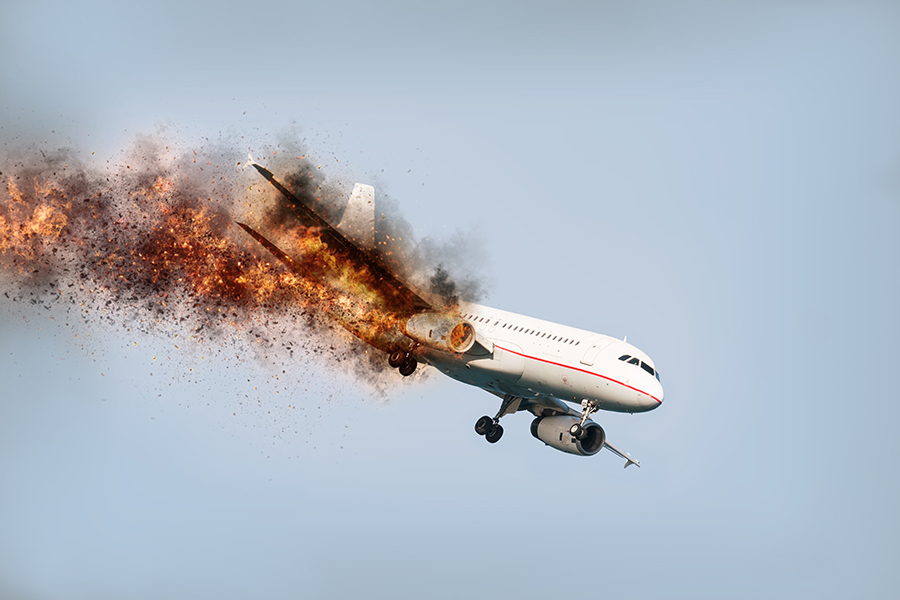
An airplane accident can leave passengers, crew members, and families facing serious injuries, emotional trauma, property losses, or the death of a loved one. A person searching for an airplane accident lawyer may need to understand why aviation claims can be different from ordinary personal injury cases. Information about aviation law can help explain the investigation, potential sources of liability, evidence preservation, and legal issues that may arise after an aviation accident.
Airplane crashes are relatively complex events. A single incident can involve pilots, airlines, aircraft owners, maintenance providers, manufacturers, airport operators, air traffic controllers, and government agencies. Determining what happened may require information from several sources rather than relying on one person’s account.
For injured passengers and grieving families, the legal process can feel overwhelming. Taking sensible steps early can help preserve evidence and provide a clearer understanding of the circumstances.
Immediate Medical Attention Should Be a Priority
Anyone injured in an airplane accident should receive appropriate medical care as soon as possible.
Aviation accidents can produce many different types of injuries, including fractures, spinal injuries, traumatic brain injuries, burns, internal injuries, lacerations, and soft-tissue damage. Psychological trauma may also develop after a frightening crash or serious incident.
Some injuries may not be immediately apparent.
Adrenaline can temporarily mask pain, while symptoms associated with certain injuries may develop later. A medical evaluation can identify problems that might otherwise go untreated.
Medical documentation also establishes an important timeline.
Keep copies of emergency department records, diagnostic reports, prescriptions, medical bills, physician notes, therapy records, and other treatment documentation.
Follow-up care should also be documented. If a doctor recommends additional testing, specialist treatment, physical therapy, counseling, or rehabilitation, maintaining records of that care can help demonstrate the continuing effects of the accident.
Aviation Investigations Can Be Extensive
Airplane accidents may trigger investigations by multiple agencies and organizations.
The National Transportation Safety Board may investigate the cause of an accident. Depending on the circumstances, the Federal Aviation Administration and other authorities may also become involved.
An investigation can examine flight records, aircraft components, maintenance history, pilot qualifications, weather conditions, air traffic communications, airport operations, and other evidence.
The official investigation can be useful, but it may not answer every legal question.
The aviation-law resource published by 5280 Injury Law explains that an NTSB investigation may sometimes be inconclusive or contain omissions that require additional investigation.
This distinction matters because determining the cause of an accident and establishing legal liability are related but separate questions.
Evidence Can Disappear With Time
Evidence preservation should begin as early as possible.
Aircraft may be moved from the accident site, damaged components may be removed, maintenance records may be updated, and electronic information may become more difficult to obtain.
Potential evidence can include:
- Flight data
- Cockpit recordings
- Maintenance records
- Inspection reports
- Pilot records
- Weather information
- Air traffic control communications
- Aircraft ownership documents
- Passenger records
- Photographs and videos
- Witness statements
- Aircraft components
Passengers and family members should preserve photographs, boarding documents, communications, medical records, and other materials in their possession.
People who witnessed the accident or its aftermath should also be identified when possible.
After the third H2, readers can review the firm’s attorneys and learn more about the legal professionals handling personal injury and aviation matters.
Pilot Error May Require Careful Examination
Pilot error is sometimes identified as a potential cause of an aviation accident.
Errors may involve navigation, altitude, communication, weather decisions, landing procedures, instrument use, or other aspects of operating an aircraft.
However, simply labeling an accident as pilot error does not necessarily answer every question about responsibility.
Investigators may need to determine whether the pilot received appropriate training, whether the aircraft was properly maintained, whether the pilot was adequately rested, and whether other circumstances contributed to the event.
The aviation practice information published by 5280 Injury Law notes that airlines may argue pilot error when mechanical problems are alleged.
A detailed investigation can therefore be important when the initial explanation for an accident does not account for all available evidence.
Mechanical Failure Can Change the Liability Picture
Aircraft contain numerous mechanical and electronic systems, and a failure involving one component can have serious consequences.
Potential problems may involve engines, landing gear, avionics, flight controls, hydraulic systems, electrical components, or other equipment.
A mechanical failure may raise questions about maintenance, inspection procedures, manufacturing, design, or warnings.
Maintenance records can show whether required inspections were performed and whether previous problems were identified.
The damaged component itself may also need examination by qualified aviation experts.
Preserving physical evidence can be especially important because replacing or discarding a failed component may make later investigation more difficult.
Maintenance Records May Reveal Earlier Problems
Routine aircraft maintenance is an important part of aviation safety.
A maintenance provider may be responsible for inspections, repairs, component replacement, and documentation.
Investigators may examine whether required maintenance was completed and whether known problems were properly addressed.
Previous maintenance entries may also reveal recurring mechanical issues.
A problem that appears to have occurred suddenly could potentially have a history documented in earlier service records.
This is one reason aviation cases can require extensive document collection. A single accident scene photograph rarely provides enough information to determine why an aircraft failed.
Weather Conditions Can Affect Aviation Safety
Weather can play a significant role in aviation accidents.
Colorado’s changing weather conditions can create challenges involving visibility, wind, ice, turbulence, snow, and other hazards.
Aviation investigations may examine weather reports, forecasts, airport conditions, pilot communications, and decisions made before and during the flight.
Bad weather alone does not necessarily establish liability.
The relevant question may involve whether the people responsible for operating the aircraft properly evaluated the available conditions and followed applicable safety procedures.
Weather information should therefore be considered alongside flight records, communications, pilot decisions, aircraft condition, and other evidence.
Air Traffic Control May Become Relevant
Air traffic controllers help coordinate aircraft movements and provide instructions designed to maintain safe separation.
Aviation accidents can involve communication problems, incorrect instructions, delayed warnings, or misunderstandings between pilots and controllers.
Investigators may review recorded communications and radar information to determine what instructions were given and how the aircraft responded.
A controller’s involvement does not automatically mean that air traffic control was responsible.
The evidence must establish whether an error occurred and whether that error contributed to the accident.
Runway Incidents Require Their Own Investigation
Not every aviation accident occurs in the air.
Runway incidents can involve collisions, runway excursions, improper aircraft positioning, equipment problems, or other events occurring during takeoff or landing.
Takeoffs and landings can involve complicated coordination among pilots, airport personnel, ground crews, and air traffic controllers.
Evidence may include runway surveillance footage, airport communications, aircraft data, weather records, maintenance documents, and eyewitness accounts.
Airport operations may also become relevant depending on the circumstances.
A thorough investigation should identify all potentially relevant factors rather than assuming that the pilot or airline was solely responsible.
Airlines and Large Companies May Have Significant Legal Resources
Commercial aviation cases can involve major corporations and insurers with substantial resources.
The legal defense may begin quickly after a serious accident.
An injured passenger or family dealing with a wrongful death may not have the same access to investigators, engineers, aviation specialists, or legal resources.
That difference can make early evidence preservation particularly important.
The aviation information published by 5280 Injury Law states that airlines may devote significant resources to defending claims and that aviation cases require specialized legal knowledge.
An investigation should therefore consider the full record rather than relying only on information supplied by an airline or its insurer.
5280 Injury Law Handles Aviation Matters
5280 Injury Law, formerly known as Lampert & Walsh, identifies aviation law as one of its practice areas. The firm states that it has represented victims and families in aviation matters involving severe injuries, wrongful death, and property damage.
Its aviation practice information also describes working with aviation engineers, pilots, and accident reconstruction specialists when investigating the causes of aircraft accidents.
The firm’s attorneys have experience handling complex personal injury litigation, including aviation law.
People interested in learning more about the firm can visit the website to review its practice areas and available legal resources.
Multiple Parties May Be Responsible
One of the most important differences between an aviation claim and a straightforward accident case is the possibility of multiple responsible parties.
Depending on the circumstances, an investigation may consider:
- The airline
- Pilot or flight crew
- Aircraft owner
- Maintenance provider
- Aircraft manufacturer
- Component manufacturer
- Airport operator
- Air traffic control personnel
- Ground service providers
- Other contractors
Each party may have a different relationship to the aircraft and different legal responsibilities.
For example, a maintenance failure may point toward a maintenance provider, while a defective aircraft component could raise product liability questions.
A pilot’s actions may be relevant, but the investigation should not stop there if other evidence points toward additional causes.
Federal and International Rules Can Complicate a Claim
Aviation law can involve federal regulations and, in some cases, international legal frameworks.
A domestic flight may raise different legal questions from an international journey.
The location of the accident, the aircraft’s destination, the airline involved, the citizenship or residence of the parties, and other circumstances can affect which laws apply.
International flights may also involve treaties governing airline liability.
The aviation information published by 5280 Injury Law specifically identifies the Montreal Convention as one international framework that may become relevant in certain aviation cases.
Because jurisdiction can affect deadlines, liability standards, and available remedies, legal analysis should begin early.
Injuries Can Affect Every Part of Daily Life
Aviation accident injuries can have consequences that extend far beyond emergency treatment.
A serious fracture may require surgery and rehabilitation. A spinal injury may affect mobility. A traumatic brain injury can interfere with memory, concentration, communication, and emotional regulation.
Some victims may be unable to return to their previous jobs.
Others may need continuing therapy, medication, assistive devices, home modifications, or long-term care.
The financial impact can therefore include both current and anticipated future expenses.
Medical professionals can provide information about prognosis and expected treatment. That information may help establish the likely long-term effects of an injury.
Lost Income Should Be Documented
A serious aviation injury may prevent someone from working temporarily or permanently.
Keep documentation showing the economic effect of the accident, including:
- Pay stubs
- Tax records
- Employer correspondence
- Missed workdays
- Reduced hours
- Lost benefits
- Employment restrictions
- Business income records for self-employed individuals
Future earning capacity can become an important issue when an injury permanently limits someone’s ability to perform their occupation.
The severity of an injury should therefore be evaluated not only by medical bills but also by its effect on employment and financial independence.
Wrongful Death Claims Require Additional Consideration
Some aviation accidents result in fatalities.
For families who lose a loved one, a wrongful death claim may involve funeral expenses, lost financial support, loss of companionship, and other damages permitted by applicable law.
The legal process can be particularly difficult because families may need to investigate the accident while grieving.
Preserving evidence remains important even when the victim is deceased.
Family members should retain available travel documents, communications, photographs, medical records, employment information, and other relevant materials.
Aviation accident investigations may continue for an extended period, and legal claims may have separate deadlines from the official investigation.
Property Damage Can Be Part of an Aviation Claim
Not every aviation incident results in serious physical injury.
An accident may also cause substantial property damage involving aircraft, luggage, equipment, or personal belongings.
Photographs and repair estimates can document the condition of damaged property.
Receipts, purchase records, and ownership documents can help establish the value of lost or damaged items.
Property claims may be subject to different legal rules from personal injury claims, so the specific circumstances should be evaluated carefully.
Be Careful With Insurance Communications
After an aviation accident, an insurer may contact injured passengers or family members.
Representatives may ask for statements, medical information, receipts, or other documents.
Accurate information should be provided, but people should avoid making assumptions about the cause of the accident.
The official cause may not be known during the first days or weeks.
A person should also understand what they are signing before agreeing to releases or accepting settlement payments.
A settlement can permanently resolve certain claims, so accepting an early offer without understanding future losses can create problems later.
Social Media Can Affect an Injury Claim
People involved in aviation accidents should use caution with social media.
Posts about physical activities, travel, work, medical treatment, or the accident itself can potentially be reviewed during a legal dispute.
A single photograph rarely captures the full extent of an injury, but it may still generate questions about a person’s condition.
Avoid posting speculation about the cause of the accident or discussing settlement negotiations publicly.
It is also wise to preserve relevant communications and photographs rather than deleting potentially important evidence.
Legal Deadlines Make Early Action Important
Aviation claims can involve different deadlines depending on the facts.
The 5280 Injury Law aviation resource states that most Colorado personal injury claims generally have a two-year statute of limitations, while certain circumstances, including international flights or government liability, can involve different deadlines.
Other legal requirements may also apply.
Because aviation claims can involve federal law, international treaties, government entities, or multiple defendants, determining the correct deadline may require detailed legal analysis.
Waiting can also make evidence harder to preserve.
Witness memories fade. Records can become difficult to obtain. Physical evidence can be altered or moved.
Early investigation can help address these issues.
What an Aviation Accident Investigation May Examine
A serious aviation investigation can include many categories of evidence:
- Flight and cockpit data
- Pilot qualifications and records
- Aircraft maintenance history
- Inspection reports
- Weather conditions
- Air traffic control communications
- Airport operations
- Aircraft and component design
- Witness statements
- Photographs and video
- Medical documentation
- Employment and financial records
No single piece of evidence necessarily establishes the entire cause.
Experts may need to compare several sources to develop a complete picture of the accident.
Working With Aviation Experts
Aviation litigation can require specialized knowledge that extends beyond ordinary accident reconstruction.
Engineers may examine aircraft components. Pilots may evaluate flight procedures. Accident reconstruction professionals may analyze the sequence of events.
These experts can help explain technical information in a way that judges, juries, insurers, and attorneys can understand.
The aviation practice information from 5280 Injury Law states that the firm works with aviation engineers, pilots, and accident reconstruction specialists in its investigations.
Expert analysis can be especially useful when the cause of an accident is disputed.
Preparing for a Potential Aviation Claim
Someone injured in an airplane accident can take several practical steps to protect important information:
- Obtain medical attention promptly.
- Follow recommended treatment.
- Keep all medical records and bills.
- Preserve travel and flight documents.
- Save photographs and videos.
- Identify potential witnesses.
- Preserve communications related to the accident.
- Avoid discussing the claim publicly.
- Keep employment and income records.
- Do not discard damaged personal property.
- Preserve relevant insurance correspondence.
- Learn about applicable legal deadlines.
These steps can create a stronger factual record while the investigation continues.
A Serious Accident Deserves a Careful Investigation
An airplane accident can leave lasting physical, emotional, and financial consequences. The legal questions may be equally complex because responsibility can involve pilots, airlines, maintenance providers, manufacturers, airports, air traffic control, or other parties.
The official investigation may provide important information, but it may not address every issue involved in a civil claim. Additional evidence and expert analysis may be necessary to determine what happened and who may be legally responsible.
For injured passengers and families, preserving evidence and obtaining appropriate medical care should happen as early as possible.
People who want to learn more about aviation law and personal injury representation can explore the firm’s resources and review the information available from 5280 Injury Law.
Anyone dealing with injuries or the loss of a loved one following an aviation accident can contact us today to discuss the circumstances and learn about potential legal options.