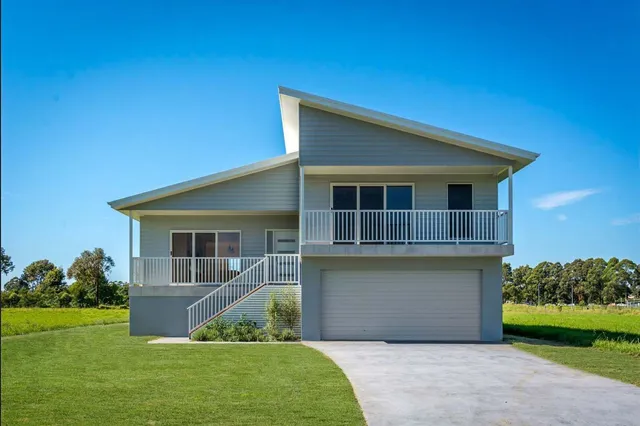

Building a dream home is an exciting opportunity to create a space that reflects your lifestyle, priorities and future plans. Rather than adapting an existing property to suit your needs, a custom build allows you to think carefully about how every room should work for you.
For homeowners planning to build in the Shoalhaven, preparation is one of the most important parts of the process. From choosing the right block and setting a realistic budget to developing a practical floor plan and selecting a reliable builder, each decision can influence the final result.
If you are looking for custom home builders Shoalhaven, explore the custom home building services offered by Powerbuild Homes. They help Shoalhaven homeowners bring their custom home ideas to life through thoughtful planning, quality construction and personalised building solutions.
Start With a Clear Vision for Your New Home
Before speaking with builders or designers, consider what you want from your new home. Think about how your household lives today and how those needs may change over the coming years.
You might want an open plan kitchen and living area, additional bedrooms, a home office, generous outdoor spaces or more storage. These priorities can form the foundation of your design.
A clear vision does not mean you need to have every detail decided. Instead, it gives your builder a better understanding of your lifestyle and helps guide the design process.
Consider Your Lifestyle
Your home should be designed around the way you actually use it. Consider:
- How many bedrooms and bathrooms you need
- Whether you require a home office or multipurpose room
- How you use outdoor entertaining areas
- Where you need additional storage
Planning around these requirements can help create a home that remains practical for years to come.
Choose the Right Block of Land
The block you build on can have a major impact on your home’s design, construction requirements and overall cost. Before finalising your plans, understand the characteristics of the land.
Consider the block’s size, orientation, slope, access and surrounding environment. The position of the sun can also influence where you place living areas, windows and outdoor spaces.
A sloping block, for example, may require different construction solutions compared with a flat site. Understanding these factors early can help you develop a realistic building plan.
Assess the Site Carefully
Important considerations include:
- Site access and vehicle entry
- Land slope and drainage
- Solar orientation
- Existing vegetation and surrounding properties
A professional assessment can help identify potential site challenges before construction begins.
Establish a Realistic Building Budget
Your budget should account for more than the basic construction cost. A realistic financial plan should consider design, site preparation, approvals, finishes, fixtures and other expenses associated with building a new home.
It is also sensible to keep some financial flexibility for unexpected costs. Conditions discovered during site preparation or changes made during the design process can affect the overall budget.
Discuss your budget openly with your builder from the beginning. Clear communication can help ensure the proposed design and specifications are aligned with your financial expectations.
Develop a Practical Home Design
Good home design combines appearance with functionality. A house can look impressive, but it also needs to work comfortably for everyday life.
Think about how rooms connect to one another and how people will move through the home. For example, positioning the kitchen near dining and outdoor entertaining areas can make family gatherings more convenient.
Natural light, ventilation, privacy and storage should also be considered during the design stage.
Focus on Long Term Functionality
When reviewing a floor plan, ask yourself:
- Will the layout work as your family changes?
- Is there enough storage?
- Are bedrooms positioned for privacy?
- Do living areas receive suitable natural light?
Thinking beyond your immediate needs can help you avoid expensive changes later.
Understand the Design and Approval Process
Building a new home involves various design and approval considerations. Depending on the property and proposed development, planning requirements, building approvals and other documentation may need to be addressed before construction begins.
Your builder can help explain the process and identify the professionals involved in preparing the required plans and documentation.
Taking care of approvals early can help reduce delays and ensure construction can proceed according to the agreed schedule.
Choose the Right Custom Home Builder
Selecting a builder is one of the most important decisions you will make. The right builder should understand your requirements, communicate clearly and have experience delivering homes similar to the project you have in mind.
When comparing builders, look beyond the initial price. Consider their experience, workmanship, communication, design capabilities and approach to project management.
A builder who takes the time to understand your goals can help turn your ideas into a practical and achievable home.
Questions to Ask Potential Builders
Before making your decision, consider asking:
- How does the design and planning process work?
- What is included in the building contract?
- How are changes managed during construction?
- Who will be responsible for managing the project?
Clear answers can help you understand what to expect before signing an agreement.
Think Carefully About Materials and Finishes
The materials and finishes you choose will influence both the appearance and functionality of your home. Flooring, cabinetry, benchtops, windows, doors, bathroom fixtures and lighting should all work together as part of a cohesive design.
Durability should be considered alongside appearance. High traffic areas may benefit from hard wearing materials, while easy to maintain surfaces can be particularly useful for busy households.
Your builder or designer can help you compare options based on your budget, lifestyle and preferred aesthetic.
Consider Energy Efficiency From the Beginning
Energy efficiency should be considered during the design stage rather than added as an afterthought. The orientation of the home, insulation, glazing, ventilation and heating and cooling systems can all contribute to comfort and energy performance.
Good natural light and appropriate window placement can also improve the feel of your living spaces while reducing reliance on artificial lighting during the day.
Discuss energy efficiency options with your builder so they can be incorporated into the overall design.
Plan Your Kitchen and Living Spaces
For many households, the kitchen and living areas are the heart of the home. These spaces deserve careful planning because they often accommodate cooking, dining, entertaining and everyday family activities.
Consider the amount of bench space, storage and seating you require. Think about how the kitchen connects with the dining area, living room and outdoor entertaining spaces.
A well planned layout can make these areas feel more spacious while improving the way your household uses the home.
Plan for Outdoor Living
Shoalhaven’s lifestyle makes outdoor living an important consideration for many homeowners. When designing your home, think about how indoor and outdoor spaces can work together.
Covered entertaining areas, patios, balconies or landscaped spaces can extend the usable living area of your property.
The position of outdoor areas should also take into account sunlight, privacy, views and protection from the elements.
Understand the Construction Timeline
A custom home involves multiple stages, including design, documentation, approvals, site preparation, construction, internal fitout and final completion.
The exact timeframe will vary depending on factors such as the complexity of the design, site conditions, materials and approvals.
Your builder should provide information about the expected construction schedule and explain the key stages. Maintaining communication throughout the project can help you stay informed about progress.
Prepare for Changes During the Build
Even with careful planning, some decisions may change during the building process. You may discover that a particular finish is unavailable or decide that a design detail needs adjustment.
Try to make major decisions as early as possible. Late changes can sometimes affect costs, materials and the construction schedule.
Working with a builder who has a clear process for managing variations can make these situations easier to handle.
Why Local Knowledge Matters in Shoalhaven
Building a home is a significant project, and local knowledge can be valuable when planning a property in the Shoalhaven region. Understanding local conditions, site considerations and the broader building process can help create a smoother experience.
A builder familiar with the region can also help you consider how the local environment and your property’s characteristics may influence the design.
For homeowners searching for custom home builders Shoalhaven, choosing a builder that understands your requirements and can guide you from initial planning through to construction can make a significant difference.
Start Planning Your Dream Home
Building a custom home is an opportunity to create a property that suits your lifestyle rather than trying to make an existing house fit your needs. The process begins with a clear vision, a suitable block, a realistic budget and a well considered design.
Take the time to research your options, compare builders and ask questions before construction begins. Careful preparation can help you make confident decisions and create a home that is functional, comfortable and suited to your future.