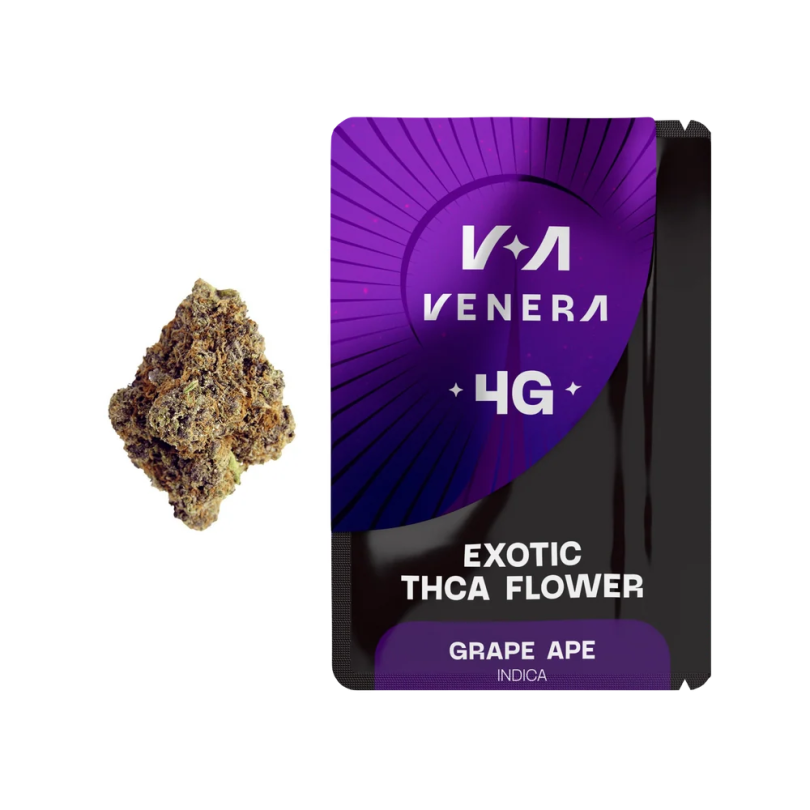

Indica gets described the same way on almost every website. Heavy. Relaxing. Good for nighttime. That’s not wrong, exactly, but it’s also not enough information to actually pick a strain that fits what you want. Two indicas can both carry that label and feel completely different once you’re a few minutes in.
If you’re comparing indica flowers before you order, the strain name matters less than three things most listings bury near the bottom of the page: aroma, potency, and terpene profile. Get those right and you’ll actually end up with something that matches what you were looking for. If you’re ready to look at options, buy indica online and you’ll see pretty quickly how much variation hides behind that one word.
Aroma Tells You More Than the Strain Name Does
Smell is the fastest read on what a strain is actually going to feel like, and it’s more reliable than the indica or sativa label printed on the bag. Heavier, earthier aromas, think diesel, musk, or damp soil, tend to show up in strains that lean into that classic heavy-body indica effect. Sweeter, dessert-like aromas, like vanilla or berry, often come from hybrids bred for a smoother, less sedating experience even when they’re marketed under the indica category.
This matters because indica as a category has gotten looser over the years. Genetics have crossed so much that plenty of strains sold as indica behave more like balanced hybrids. The aroma is grown into the plant and doesn’t change based on how it’s marketed, so trust your nose over the label if the two seem to disagree.
If a listing skips the aroma description entirely and jumps straight to effects language like “deeply relaxing,” that’s a sign the copy was written for search engines, not for someone trying to figure out what they’re actually about to smoke.
Potency Numbers Don’t Predict the Effect the Way People Assume
A high THCA percentage on an indica thca flower doesn’t automatically mean a heavier or more sedating experience. Potency tells you strength, not character. A 28 percent indica and a 28 percent sativa hit with similar intensity, they just get there through a different kind of high.
Where potency actually matters is tolerance. If you’re newer to THCA products, or you’ve been away from flower for a while, jumping straight into the highest percentage indica on the shelf isn’t the move, regardless of how appealing that number looks. Mid-range potency, somewhere in the low to mid twenties, gives you enough strength to feel the effect clearly without getting blindsided by it.
Total THC, calculated from the THCA number after conversion, is the figure that actually matters here, more than the raw THCA percentage printed in bold on the front of the package.
Terpenes Are Doing the Work People Credit to “Indica”
This is the part that actually explains why indica flower feels the way it does, and it’s rarely THC alone. Myrcene is the terpene most associated with the classic heavy, body-relaxing indica effect, and strains high in it tend to earn that reputation honestly. Linalool shows up often too, contributing a calming, almost floral quality that pairs well with myrcene in a lot of indica-leaning genetics.
Caryophyllene appears frequently as well, adding a peppery note and a slightly different kind of physical relief than myrcene alone provides. A strain with a strong terpene profile across a few of these compounds usually delivers a more distinct, recognizable indica experience than one where the terpene percentage is low across the board, even if the THCA number looks impressive on paper.
This is really the difference between a strain that’s indica in name and one that’s indica in actual effect. Checking terpene percentages next to a few options from any best online thca collection usually makes that difference obvious pretty fast.
Bud Structure Is a Quiet Indicator Worth Knowing
Indica flower typically grows denser and more compact than sativa, with tightly packed calyxes and a heavier feel in the hand relative to its size. This isn’t a strict rule, since cross-breeding has blurred a lot of physical traits along with effects, but dense, tightly formed buds are still a reasonable visual cue when photos are available on a listing.
Color and trichome coverage matter more for overall quality than for indica versus sativa distinction specifically, but a well-grown indica bud tends to look compact and slightly darker green, often with purple or deep tones depending on the strain’s genetics. If photos on a listing show loose, airy buds despite being labeled indica, that’s worth a second look before ordering.
Reading the Full Label Before You Commit
Between aroma, potency, and terpene data, you end up with a much clearer picture than the strain name alone provides. A strain called something evocative doesn’t guarantee a particular experience. The lab report and product description do the actual explaining, assuming the brand bothered to include real detail instead of generic category language.
If a listing for thca indica flower is thin on this information, specifically missing terpene percentages or giving only a vague effects description, it’s fair to ask before you order rather than guessing. Talk to us if you want help matching a specific aroma or effect to an actual strain instead of relying on marketing copy alone.
What This Actually Comes Down To
Indica isn’t one thing, and treating it like a single predictable category leads to a lot of mismatched purchases. Aroma tells you the character, terpene data explains the effect, and potency tells you strength, not personality. Once you’re checking all three instead of just scanning the strain name, picking flower that actually delivers what you wanted gets a lot easier, and a lot less like guessing.